AI recovery for the brain.
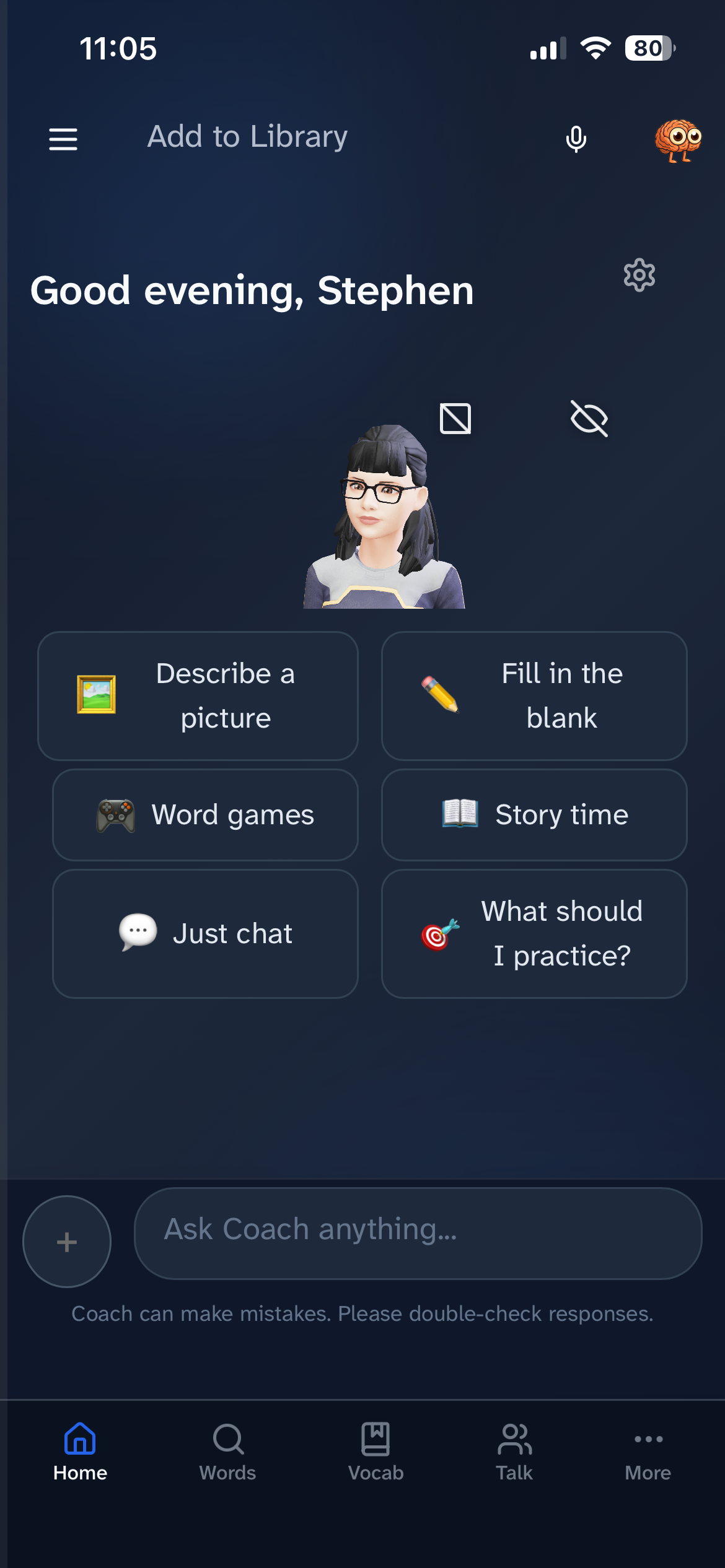
AphasiaGPT — our first app — is live now for aphasia, the loss of words after a stroke or brain injury. Next: pediatric speech, apraxia, TBI, ALS, dementia, autism.
Relearning a word can take a thousand tries. We're here for all of them.
Brain science keeps leaping forward.
Recovery hasn't moved in decades.
An hour of care, then the long quiet of doing it alone.
We're changing where recovery happens — and when.
The brain heals through repetition. But recovery is one hour a week, then six days alone — and what was won slips away in the quiet between.
So we put the daily reps in your pocket. Speak, name, and rebuild words at home, at your own pace, with a coach that moves with you — not a worksheet that never changes.
Every rep at home reaches the clinician — what was practiced, where it stalls, what's improving. A whole week of recovery made visible, without one more form to fill.
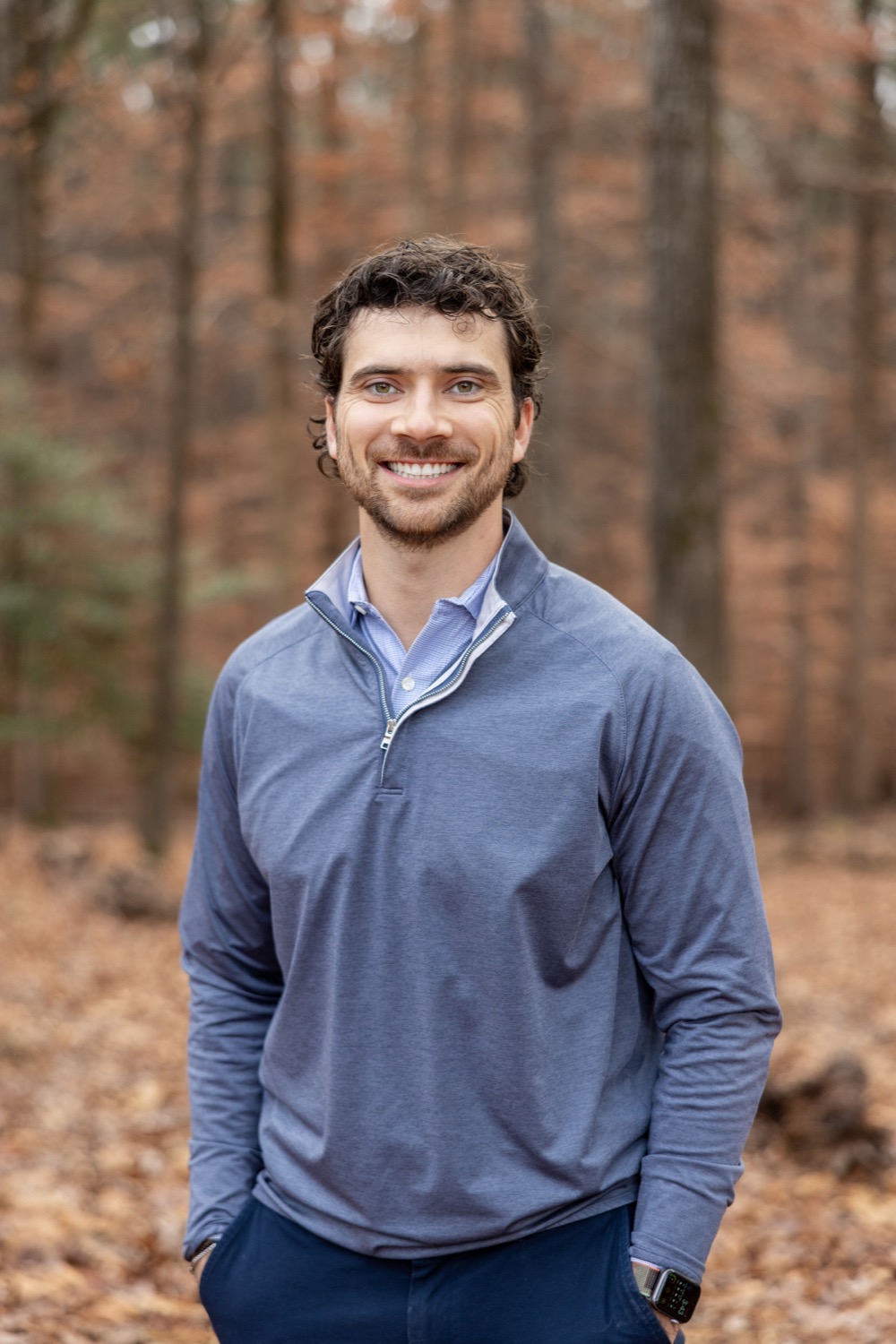
In 2020, Stephen Albright went in for brain surgery and woke up with aphasia. The words were still in his head — he just couldn't get them out. Saying his own name, reading a menu, finishing a sentence: all of it had to be relearned, one rep at a time.
The hardest part wasn't the weekly therapy hour. It was the other six days — alone at the kitchen table, no one to practice with, no way to tell if he was getting better. So he built the thing he'd needed: AphasiaGPT, a companion that lets people practice every day, between sessions, at their own pace.
Disability Driven is that idea widened to every brain that has to relearn how to connect — built by someone who has done the relearning.
Stephen Albright — Founder, Disability Driven
An AI coach that turns daily life into speech therapy your clinician can actually see.
Built for communication disabilities, by someone living with one.
This is where it started. Every day, people open AphasiaGPT to reach for the words a stroke or injury took — naming what they see, finishing a sentence, hearing their own voice grow steadier. The coach learns each person and remembers every session, so progress doesn't reset the moment the phone goes down.
Visit AphasiaGPT
Every app we build shares one foundation: daily practice, an adaptive coach, and a clinician who can see the whole week.
If a stroke or brain injury took your words, that's aphasia — and you don't need to wait. AphasiaGPT is ready for you now.
For kids who have so much to say and can't yet get it out — playful practice that grows with them.
For: kids, their parents, and SLPs
Coming SoonWhen the word is there but the mouth won't cooperate — step-by-step practice for speech.
For: people with apraxia, their families, and SLPs
Coming SoonVeterans, athletes, and accident survivors relearning communication.
For: TBI survivors, plus their SLPs and OTs
Coming SoonA voice that adapts as the body changes.
For: people with ALS and the family beside them
Coming SoonHolding on to words, names, and daily routines.
For: people with dementia and the family beside them
Coming SoonCommunication and connection, supported in everyday moments.
For: autistic people, parents, and BCBAs
Coming SoonEvery tool we build reports into one place for the people guiding recovery. Clinicians and caregivers follow each patient, each condition, each week — from a single login.
The tools change. The platform doesn't.
One portal. Every condition. Everyone you care for, in one place.
Add your name and the condition closest to you. We build in the open — you'll be the first to know when it's ready.